
Your job as a salesperson is to convince customers to order from you. This doesn’t mean you just make phone calls and write quotations; it means you make phone calls, write quotations, and engage in customer interactions that turn into profitable orders.
So, how do you do that? And, what if you feel you’ve been doing everything you can, but still aren’t seeing results? Read on.
The first thing you need to do is understand your product and service features, and who is your target customer. I can see the eye rolls and hear the “duh’s” through the screen, but bear with me.
Every sale begins with a need. Period. No need, no sale. Take a closer look at the sales you’ve lost.
- What was the customer’s need?
- Did your product fill that need?
Is your product a great solution to the customer’s problem, or are you trying to twist the situation around and make the customer’s need fit your product? There is a difference, so be brutally honest with yourself. Did the project look something like this?

If this is the case, your chances of getting that sale were slim even before quoting it.
Let’s say your company sells 50-gallon water heaters, and you hear of a contractor that is looking to buy water heaters for his new housing development. You get your hands on a copy of the specs, which call for wall mounted tankless water heaters because this guy specializes in energy efficient houses. You know the guy needs water heaters and he’s going to buy water heaters to fill that need. Hey, you sell water heaters. They aren’t exactly the same, but they’ll get the job done. If you can just talk to the guy, you know you can convince him to switch his specs …
If you spend all your time on projects like this one, you will have a hard time meeting your quota. Always remember that time is the salesperson’s most valuable commodity. It’s tempting to quote everything that moves, but not every customer is for you, your product, or for your company. You need to analyze every customer and decide if they are part of your target market – the ones most likely to order from you. Time you spend on a low probability customer is time away from another customer with a higher probability of an order. Pay attention to those customers that you are better suited to serve, that your product is proven to be right for them, and you can be competitive.
However, if the project looks like this; then, you should have a great chance of landing the sale.
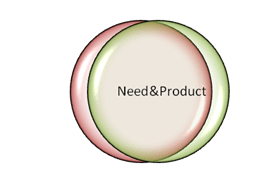
If you don’t, and this one ends up in the folder of disappointments as well, something else went wrong.


 Skill-Based Learning for Sales Professionals